Recommendations for Caring for Your Luggage Bags: How to Achieve Extended Lifespan and Upkeep
Ensuring proper maintenance of luggage bags is crucial for maintaining their performance and look over time. Frequent washing, proper storage, and prompt repairs can significantly prolong their durability. Many travelers ignore basic upkeep routines that can avoid wear and degradation. Understanding the optimal techniques for upkeep is important. As travelers get ready for their upcoming trip, they might wonder about the specific steps they can implement to ensure their luggage remains in peak condition.
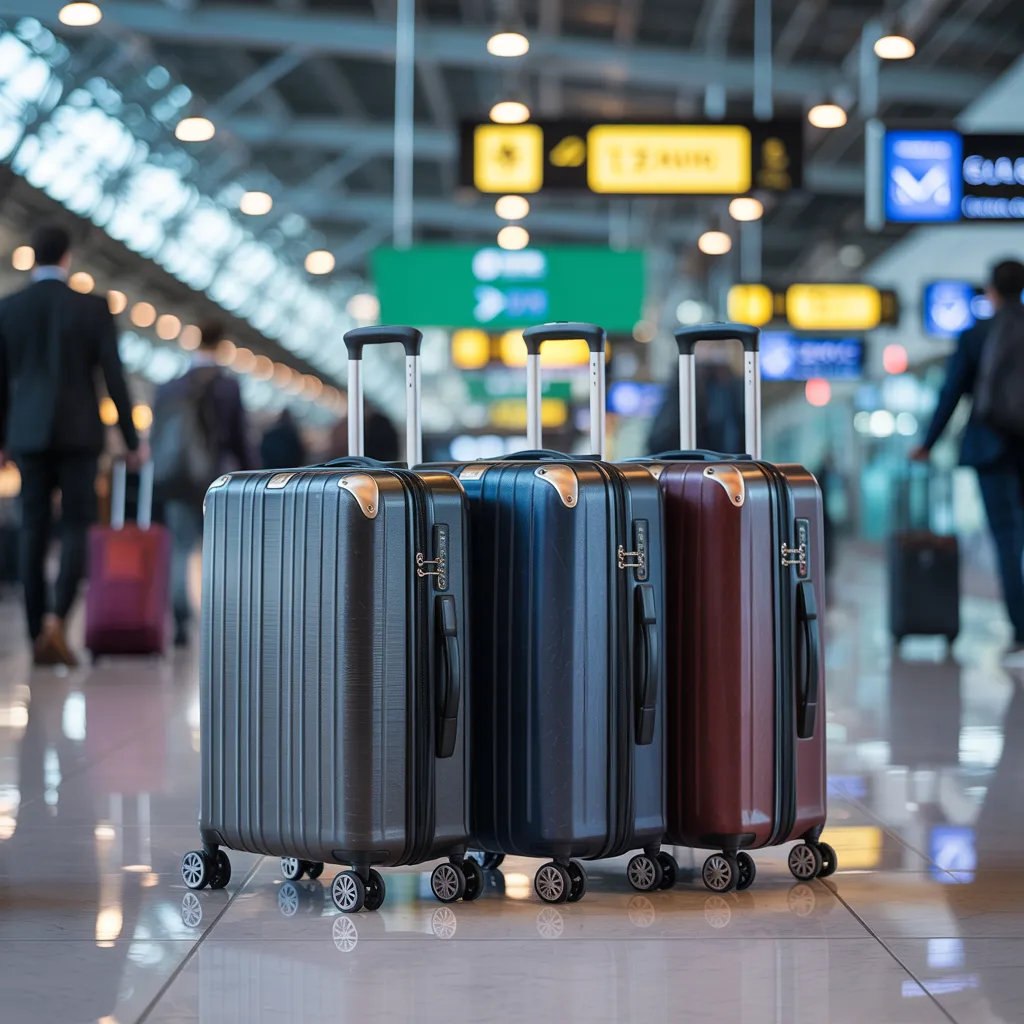
Instructions for Washing Your Luggage: A Detailed Guide
Maintaining luggage involves cleaning it to preserve its state and longevity. First, clear all compartments, confirming nothing is left inside. Then, gently brush the exterior using a soft brush or cloth to clear away dust and debris. Fabric luggage should be cleaned with a combination of mild soap and water applied by sponge, while leather requires proper leather cleaner to avoid damage. It's essential to test any cleaning solution on a limited, unobtrusive area beforehand.
After cleaning, the luggage should be wiped with a moist rag to eliminate soap buildup. For persistent marks, a mixture of water and vinegar may be effective, but caution is advised. Finally, the luggage should be dried in the air completely before putting away, making sure that dampness doesn't cause mildew growth. Frequent maintenance not only improves appearance but also prolongs the life of the luggage, making it a worthwhile routine.
Maintaining Your Luggage: Best Practices for Longevity
Appropriate preservation of luggage is essential for guaranteeing its long-term durability and keeping its overall condition. When not in use, luggage should be kept in a cool, dry place to protect against damage from humidity and extreme temperatures. Ideally, it should be stored upright to keep its shape, preventing any unnecessary pressure on the zippers and seams.
If practical, use dust bags or protective covers to safeguard luggage from dust and scratches. Refrain from stacking heavy items on top of luggage, as this can distort its structure over time. For soft-sided bags, leaving them partially packed with soft items can help maintain shape, while hard-shell cases should be kept empty to prevent any internal pressure.
Consistently reviewing the storage location for unwanted insects and moisture can prevent long-term damage. By following these best practices, consumers can guarantee their luggage continues to be in excellent condition for subsequent journeys.
Repair Common Luggage Issues With Ease
Standard luggage troubles, like stuck zippers, seams, and damaged handles or wheels, are often correctable through simple repairs. Understanding core repair techniques can lengthen the life of luggage and enrich travel experiences. This section will outline useful strategies for addressing these frequent problems.
Repairing Zippers and Seams
Zippers and seams are fundamental parts of luggage, and when they malfunction, they can affect the integrity of the bag. To tackle zipper troubles, one can often use a lubricating product, such as silicone spray or graphite, to improve movement. If a zipper is not aligned, gently pulling the slider back can correct it. For non-functional zippers, substituting the slider may be vital, which can be performed with a few essential tools.
Seams, on the other hand, may require stitching if they come undone. Using a needle and strong thread, one can carefully examination sew the seam back together, making sure the stitches are tight and secure. Regular inspection and timely maintenance can greatly increase durability of luggage bags.
Fixing Handle and Wheels
Handles and wheels are critical for the mobility of luggage, and when they break, travel can become troublesome. To mend a broken handle, one can often reattach it using screws or adhesive, depending on the damage. For wheels, examine for debris or obstructions, as these can hinder movement. If a wheel is damaged, replacing it may be necessary; many luggage brands offer compatible replacement parts. A simple toolset, including a screwdriver and pliers, is often sufficient for these repairs. Regular maintenance, such as cleaning wheels and checking for wear, can prevent issues. By addressing these components promptly, travelers can extend the life of their luggage and reduce inconvenience during trips.
Protect Your Baggage From Harm on the Go
Travelers should take safeguarding actions to preserve their luggage from potential damage while on the move. A sturdy luggage cover can offer an fundamental layer of safeguard against blemishes and marks during transit. Additionally, utilizing effective packing methods is indispensable; items should be stabilized to prevent movement, which can lead to deterioration and wear.
When walking through busy airports or train stations, it is essential to observe luggage at all times. Using a unique identifier, such as a colorful strap or tag, can help discourage stealing and assure easy identification. Moreover, travelers should limit their packing, as excess weight can stress zippers and seams, leading to damage.
Finally, when inspecting luggage, opting for a reliable copyright and comprehending their baggage procedures can minimize the chance of mishandling. By implementing these strategies, passengers can greatly prolong the lifespan of their luggage.
Important Equipment for Baggage Maintenance
A properly cared for suitcase can significantly improve a traveler's journey, rendering vital accessories crucial for luggage upkeep. One fundamental item is a suitcase protector, which protects against marks and dirt during transit. These covers come in different sizes and designs, ensuring suitability with various suitcase types.
Furthermore, packing cubes help organize belongings and avoid clutter, making the packing and unpacking process easier. A quality luggage lock provides security, safeguarding valuables from possible theft. Also, a portable luggage scale is invaluable, helping travelers prevent overweight baggage fees by guaranteeing compliance with copyright weight limits.
Finally, a travel-sized maintenance set can be beneficial for preserving the suitcase's exterior, allowing for rapid cleanups after trips. By investing in these accessories, travelers can greatly extend the life of their baggage while improving their overall travel experience.
Travel Safely With Your Baggage: Tips and Strategies
When traveling, selecting luggage made from sturdy materials is crucial for ensuring safety and longevity. Additionally, firmly securing belongings can avoid theft and keep items safe during transit. By prioritizing these aspects, travelers can enhance their overall luggage journey.
Opt for Resilient Substances
Deciding on baggage built with durable materials is vital for maintaining durability and safeguarding during travel. Top-quality fabrics, such as polycarbonate, ballistic nylon, and high-density polyester, can withstand the rigors of constant handling and different environmental factors. These materials are not only resistant to wear and impacts but also water-resistant, providing an additional layer of security for possessions. Additionally, strengthened stitching and solid fasteners fortify overall durability, reducing wear and tear as days pass. Passengers should also consider lightweight options that copyright strength, as this can simplify easier carrying. By prioritizing durable materials, passengers can greatly reduce the likelihood of damage, guaranteeing their baggage remains functional and reliable for years to come.
Secure Your Belongings
Safeguarding your belongings while traveling is vital for avoiding misplacement or theft. Voyagers should consider using bag locks to deter unwanted entry, ensuring bags are properly fastened. Moreover, employing organization cubes can help organize items and make it more difficult for criminals to quickly access precious items. It is advisable to store important belongings, such as passports and electronics, in hand luggage rather than baggage compartments. When in transit, travelers should maintain visual contact with their luggage whenever feasible and avoid leaving bags unattended in crowded areas. Using identification tags with contact information can aid in recovery if bags are lost. By adopting these strategies, travelers can notably enhance the security of their items while on the move.
Regularly Questioned FAQs
How Regularly Should I Refresh My Travel Cases?
Luggage bags should ideally be cleaned after every trip, especially if they show visible dirt or stains. Regular maintenance enhances their appearance and durability, ensuring they keep in proper shape for future trips.
Which Choices Offer the Most Longevity for Luggage?
Polycarbonate, ballistic nylon, and high-denier polyester are among the most durable materials for luggage. These fabrics provide excellent resistance to wear and tear, ensuring durability and reliability during prolonged journeys or rough handling.
May I Tailor My Luggage for More Convenient Spotting?
Yes, luggage can be customized for easier identification. You can consider adding distinctive straps, personalized tags, or unique stickers. These alterations improve recognition and minimize the chances of mix-ups during travel, making luggage stand out clearly.
How Do I Choose the Appropriate Bag Dimensions for Travel?
Determining the ideal bag capacity is based on travel duration and personal needs. For short trips, a cabin bag is sufficient; extended trips may demand larger bags. Take into account space for essentials, souvenirs, and copyright restrictions when deciding on.
Can You Obtain Coverage Plans for Luggage Bags?
Many luggage brands offer warranty options, commonly covering production flaws. Consumers must review warranty details prior to making a purchase, because terms differ widely. A dependable protection plan can improve sustained contentment and protect from unexpected troubles.